Mount Si hike 2025 Aug 9
Finally got up on Mount Si for the season today. 3:22 for the round trip including break at the top—pretty good! Next time, without breaking a sweat? We shall see!

Finally got up on Mount Si for the season today. 3:22 for the round trip including break at the top—pretty good! Next time, without breaking a sweat? We shall see!
On Reddit I am, when I express my disappointment with the state of research on “gender-affirming” treatments for adolescents with gender dysphoria, at times given long lists of studies that purport to demonstrate the effectiveness of puberty blockers (PBs) and “gender-affirming” hormones (GAHs). These lists are so long that if I were to review each study, it would constitute the literature review for a PhD. I don’t have that kind of time, but I want to share my assessment of a few of these articles as I take them on. This represents my current thinking and, as always, is subject to change.
One such list of studies recently referenced “Mental Health Outcomes in Transgender and Nonbinary Youths Receiving Gender-Affirming Care” by Tordoff, Wanta, and Collin, et al., JAMA Network Open Vol. 5. No. 2., 15 Feb 2022. This post is a review of that article, offered as illustrative of the weaknesses I have seen in this literature so far.
Findings In this prospective cohort of 104 TNB youths aged 13 to 20 years, receipt of gender-affirming care, including puberty blockers and gender-affirming hormones, was associated with 60% lower odds of moderate or severe depression and 73% lower odds of suicidality over a 12-month follow-up.
The word “associated” is important. This indicates a statistical correlation, not a causal finding. Looking at the paper, we see that it is a “prospective” study in which outcomes of depression, anxiety, and suicidality were followed over time relative to the beginning of treatment at a gender clinic. The treatment was “receipt of gender-affirming care, including puberty blockers and gender-affirming hormones”. The key result:
By the end of the study, 69 youths (66.3%) had received PBs, GAHs, or both interventions, while 35 youths had not received either intervention (33.7%). After adjustment for temporal trends and potential confounders, we observed 60% lower odds of depression and 73% lower odds of suicidality among youths who had initiated PBs or GAHs compared with youths who had not.
There is an attempt through statistical analysis to compensate for the fact that without randomization of the treatment group, there would be a bias between those who received and did not receive the puberty blockers and hormones which could itself explain the difference in outcomes. Income, race, sex, gender identity, etc. are all potentially included in the models.
A few issues arise on close inspection.
First, versus an actual experiment, observational studies of this sort are vulnerable to the possibility of confounding variables which were not thought of at time of analysis, or on which data was not collected when the study was run, affecting the outcome. One commenter suggests physical activity, BMI, and similar as likely confounders; the paper itself suggests psychotropic medications as a potential confounder. None of these are included in the analysis, nor any others anyone else might think up. With a randomized experiment, the possibility of such confounding variables is eliminated.
Second, I will highlight the “adjustment for temporal trends” mentioned in the limitations section. First, I mistook this for adjusting for seasonal trends, such as a tendency for people to be more depressed in the winter. However, this is not the case. Temporal trends refer to the differences in outcome at the different followup times (initial visit, 3 months after, 6 months after, 12 months after). How the “adjustment” is done is not detailed in the article. This is of interest because the key findings only arise after this “adjustment”; there would be no paper if not for the difference it makes. The lack of explicit detail on the procedure is concerning. The names of the two primary modes of analysis (“Model 1” and “Model 2”) seem symptomatic of a search for significant results by modifying the analysis, rather than the more robust approach of pre-registering an analysis and sticking to it.
Other issues are given in the “Limitations” section of the paper:
Our findings should be interpreted in light of the following limitations. This was a clinical sample of TNB youths, and there was likely selection bias toward youths with supportive caregivers who had resources to access a gender-affirming care clinic. Family support and access to care are associated with protection against poor mental health outcomes, and thus actual rates of depression, anxiety, and suicidality in nonclinical samples of TNB youths may differ. Youths who are unable to access gender-affirming care owing to a lack of family support or resources require particular emphasis in future research and advocacy. Our sample also primarily included White and transmasculine youths, limiting the generalizability of our findings. In addition, the need to reapproach participants for consent and assent for the 12-month survey likely contributed to attrition at this time point. There may also be residual confounding because we were unable to include a variable reflecting receipt of psychotropic medications that could be associated with depression, anxiety, and self-harm and suicidal thought outcomes. Additionally, we used symptom-based measures of depression, anxiety, and suicidality; further studies should include diagnostic evaluations by mental health practitioners to track depression, anxiety, gender dysphoria, suicidal ideation, and suicide attempts during gender care.
The obvious bias in the selection of people first into the clinic and then into the treatments is the greatest weakness of this study, for reasons the researchers themselves describe.
I highlight the word advocacy as it indicates that the researchers are not disinterested observers, but rather already believe “gender-affirming” treatment of dysphoric youth is a righteous cause. Researcher bias is a significant concern, see Ioannidis’ seminal paper, Why Most Published Research Findings are False. Teams which have a stance of advocacy rather than objectivity are more likely to choose methods which favor their preferred outcome.
They also indicate that there was attrition on the 12-month followup, meaning participants stopped responding to surveys. This could indicate that those whose treatment did not lead them to feel happier declined to participate for fear of disappointing the (surely very friendly and helpful) clinic staff.
Finally, as mentioned above, the study authors point out that use of psychiatric medications was not a variable they analyzed. So any benefit received (whether through placebo or other effect) from antidepressants for example is not accounted for.
The placebo effect hangs over this study in general. The placebo effect is the tendency for people to improve simply because they believe the treatment they receive is effective. This study’s results could be explained purely by placebo effect. The belief that “the gender clinic will help you” and that suppressing puberty and taking opposite-sex hormones will help is widespread among those seeking treatment for gender dysphoria at gender clinics—the self-selected population from which this study’s participants are drawn. In a sense, a placebo effect would mean that the treatment really is effective; but if it’s due to placebo, then the long-term consequences of suppressing puberty and taking opposite-sex hormones are hard to justify.
Another possibility unaccounted for by this study is simply regression to the mean. The study begins with a significant portion of participants experiencing “severe” depression, and the greatest effects are seen in those with the most severe self-reported depression. Beginning at one extreme of the normal distribution, the most likely thing to happen is simply for the outcome to move toward the mean over time, and that is exactly what is described in the study, though it is couched as being very significant, rather than completely expected. A proper accounting for this would require comparison to baseline progression of depression, anxiety, and suicidality among similar, severely-depressed youth among the general population.
When I dig into this “gender affirming care” research, I so far find it is of low quality. First and foremost is the absence as far as I have found of experimental studies, which are obviously what is called for. The sample sizes are always low as well, and there is apparently bias on the part of at least some researchers “rooting” for a particular outcome in which they already believe. I haven’t seen anything yet which persuades me that these treatments really are effective, at least for any particular reason other than that something is being done that people believe will be effective.

According to page 354 of the first volume of my transcribed journals, I met Chris “Chud” Lundgreen on Wednesday, August 27, 1997, in the men’s locker room ahead of Mrs. Swenson’s cross-training class, on the first day of freshman year at Kamiakin High School.
At the time he was just “Chris”, from Colorado—as far as my journal tells and as far as I remember, he hadn’t yet announced his full adoption of the nickname Chud.
Chud Lundgreen has been diagnosed with fatal brain cancer, and is quickly succumbing to the effects. It has been devastating to face the loss of our wonderful friend.
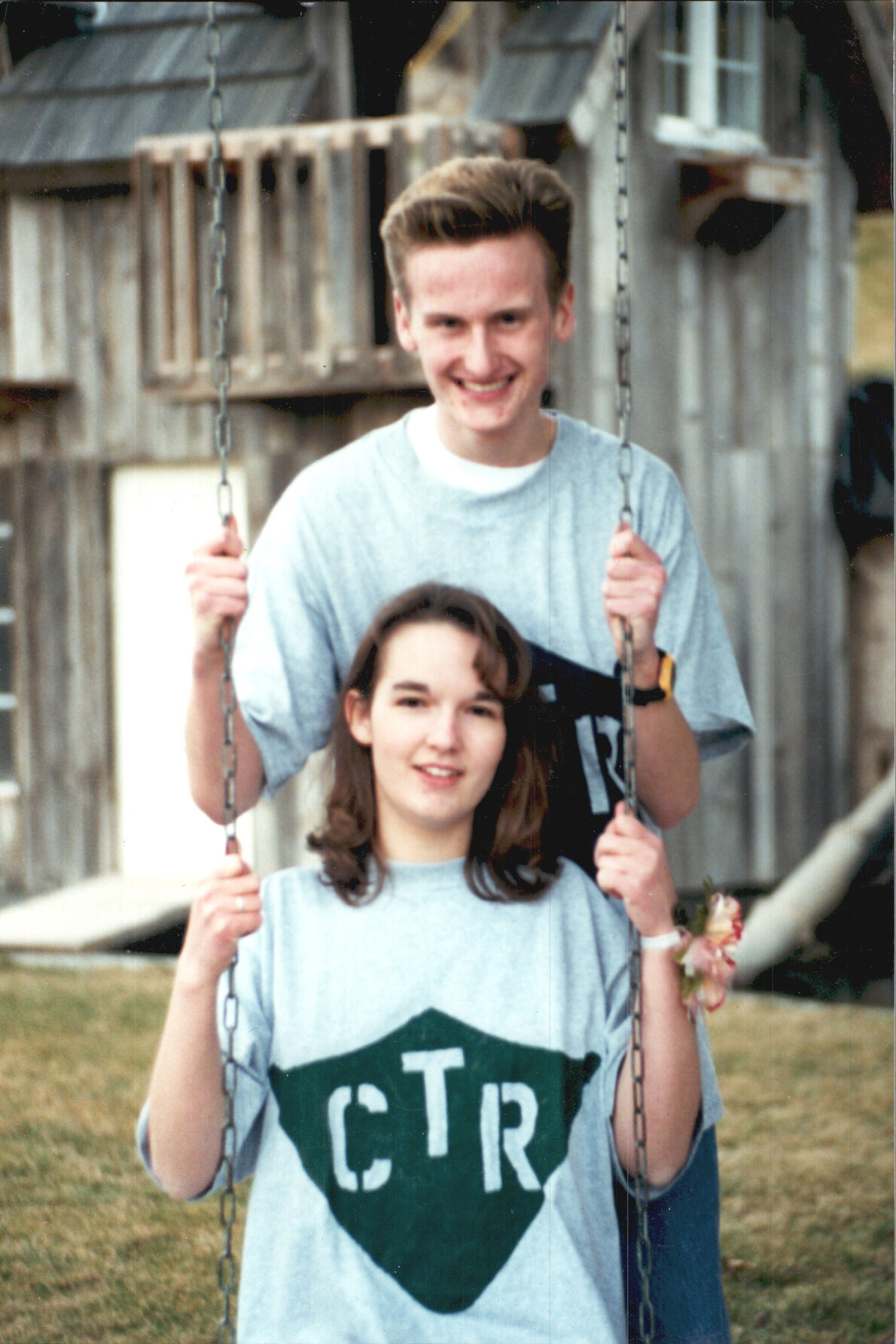
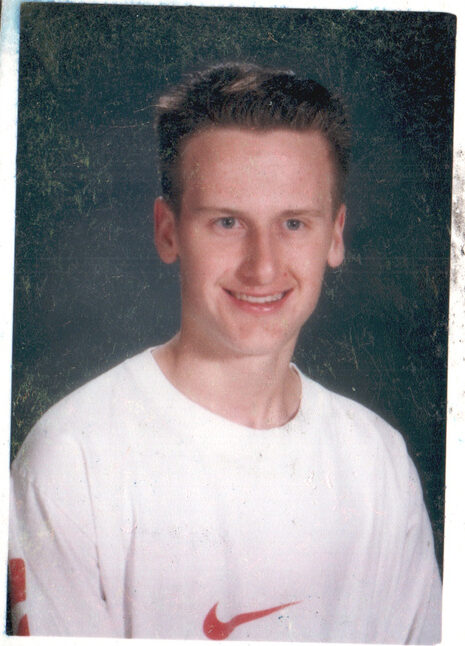
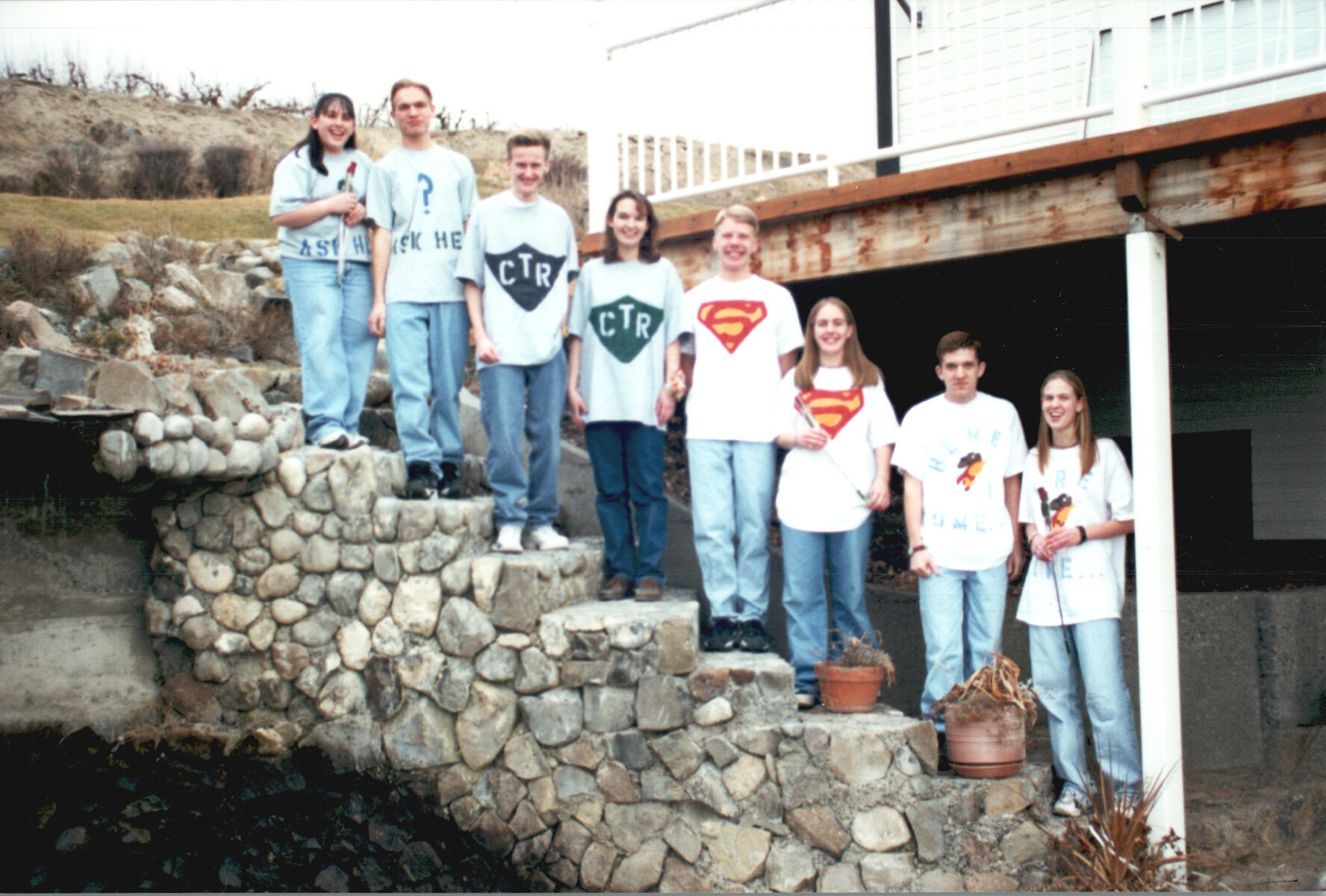
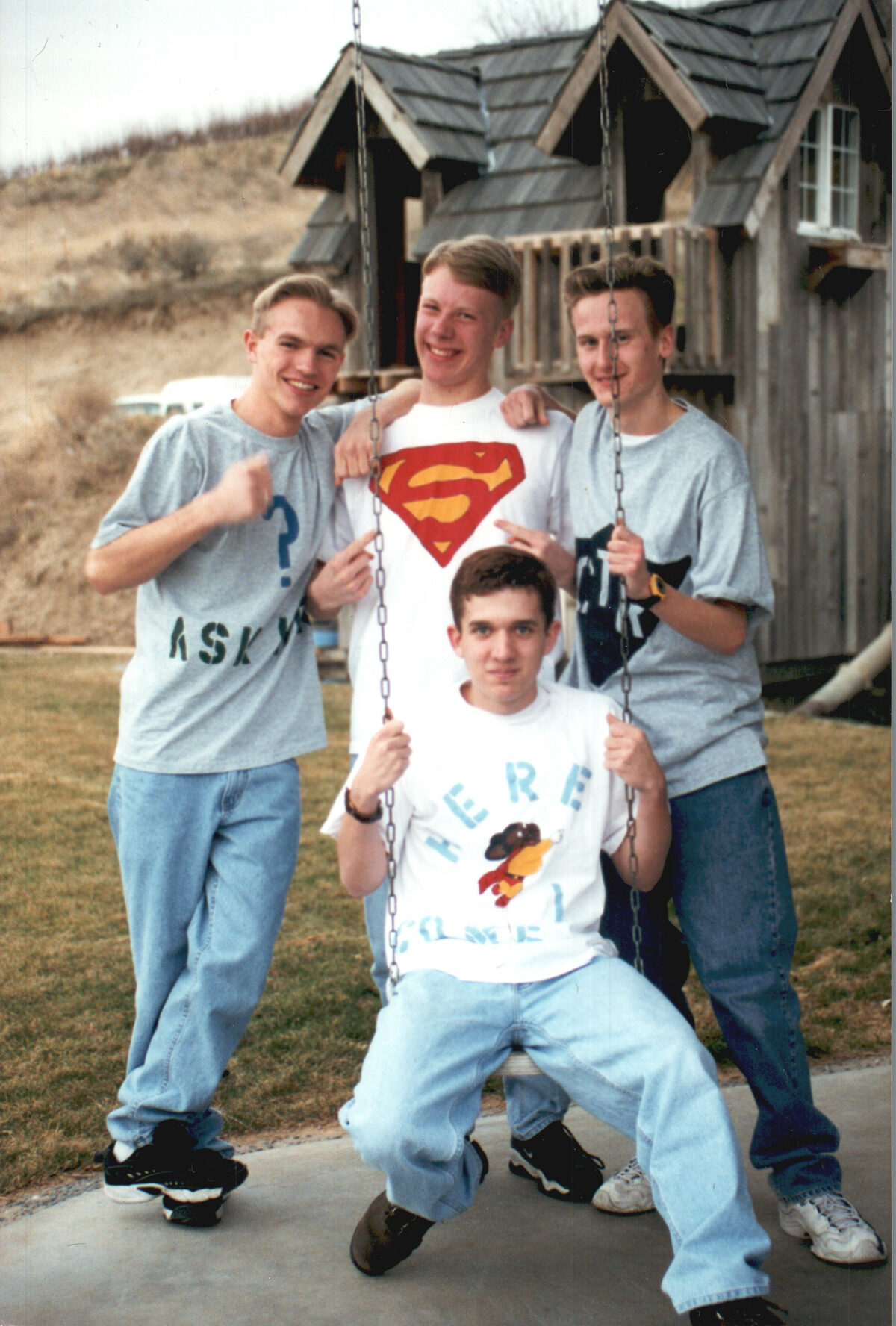
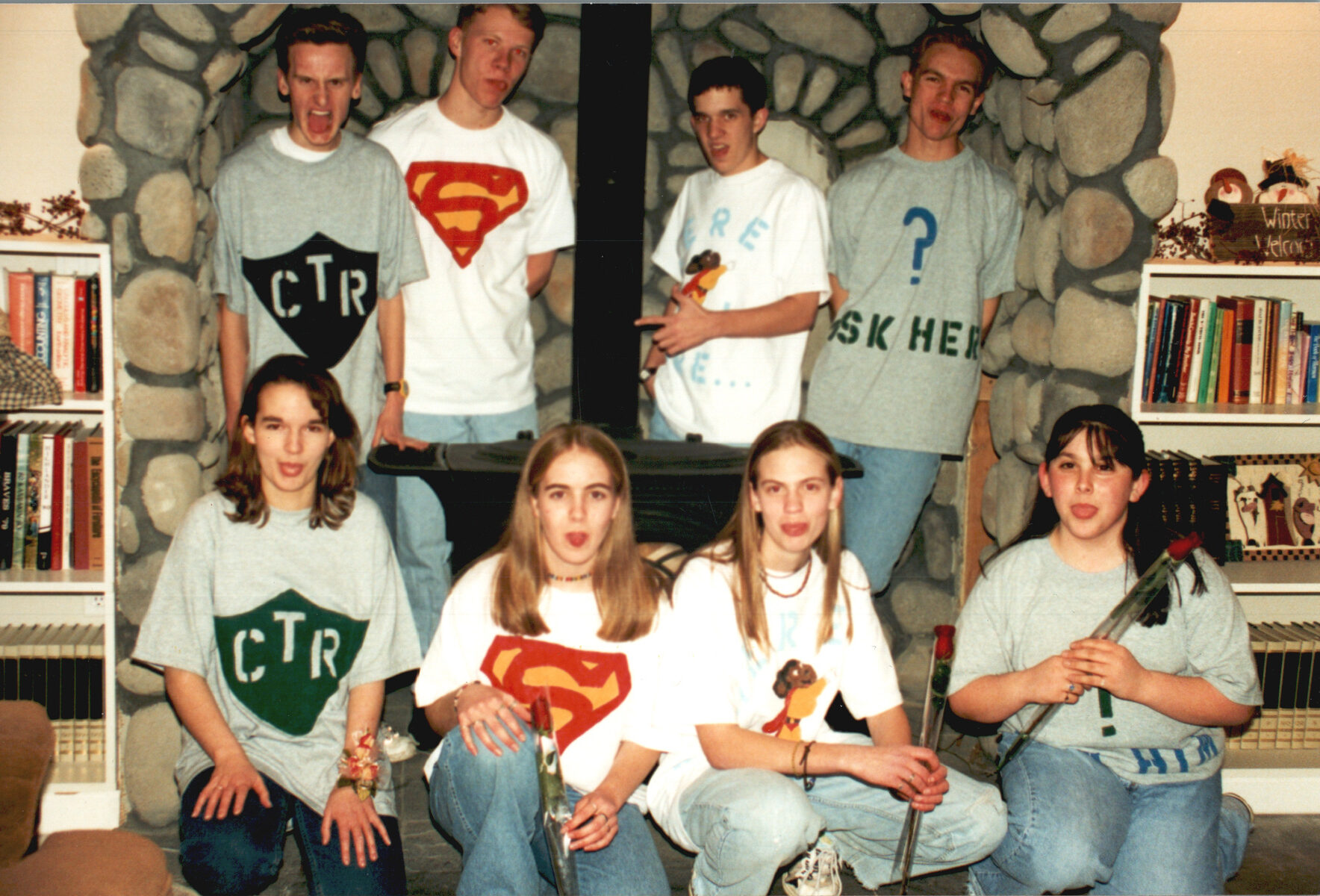
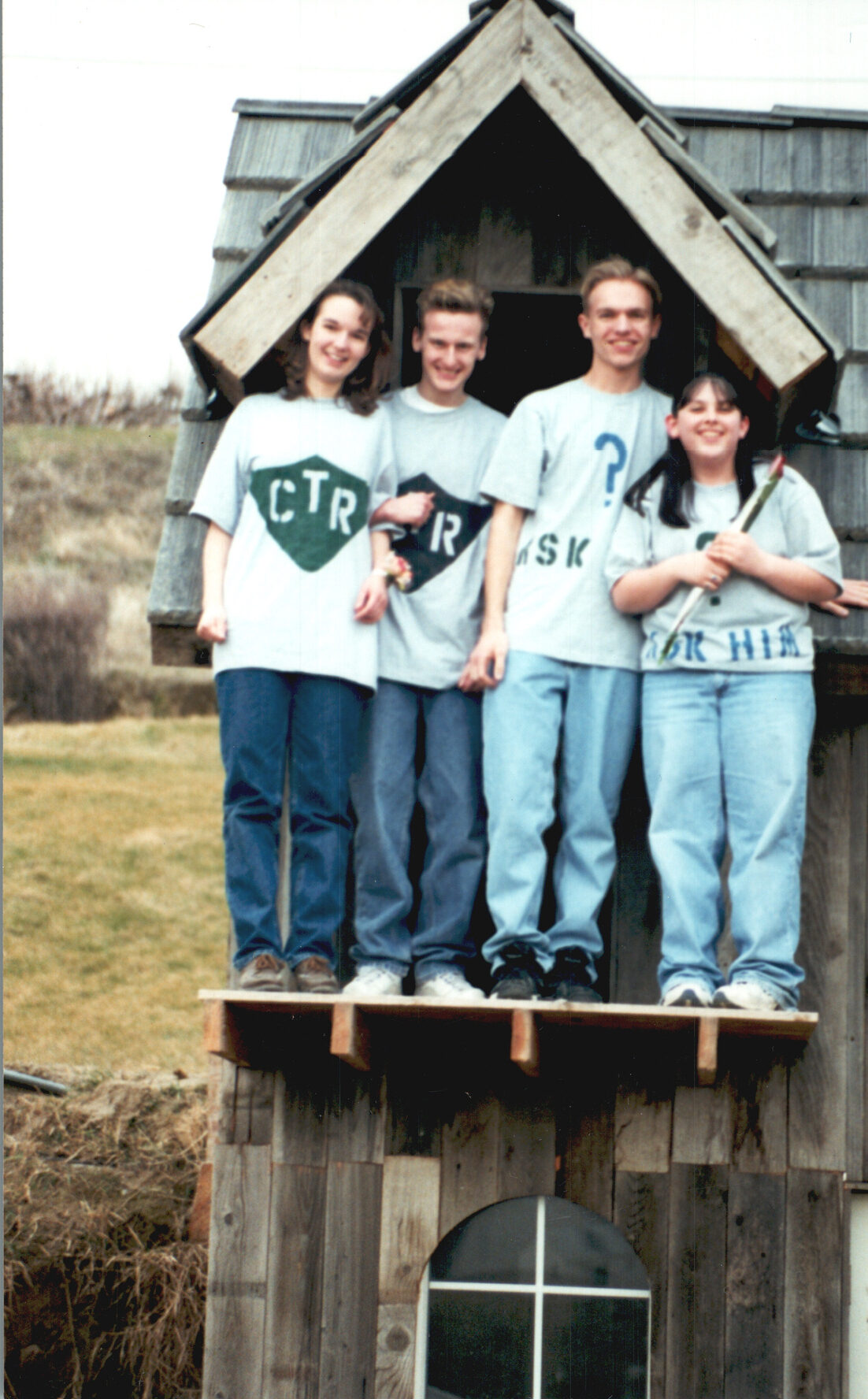
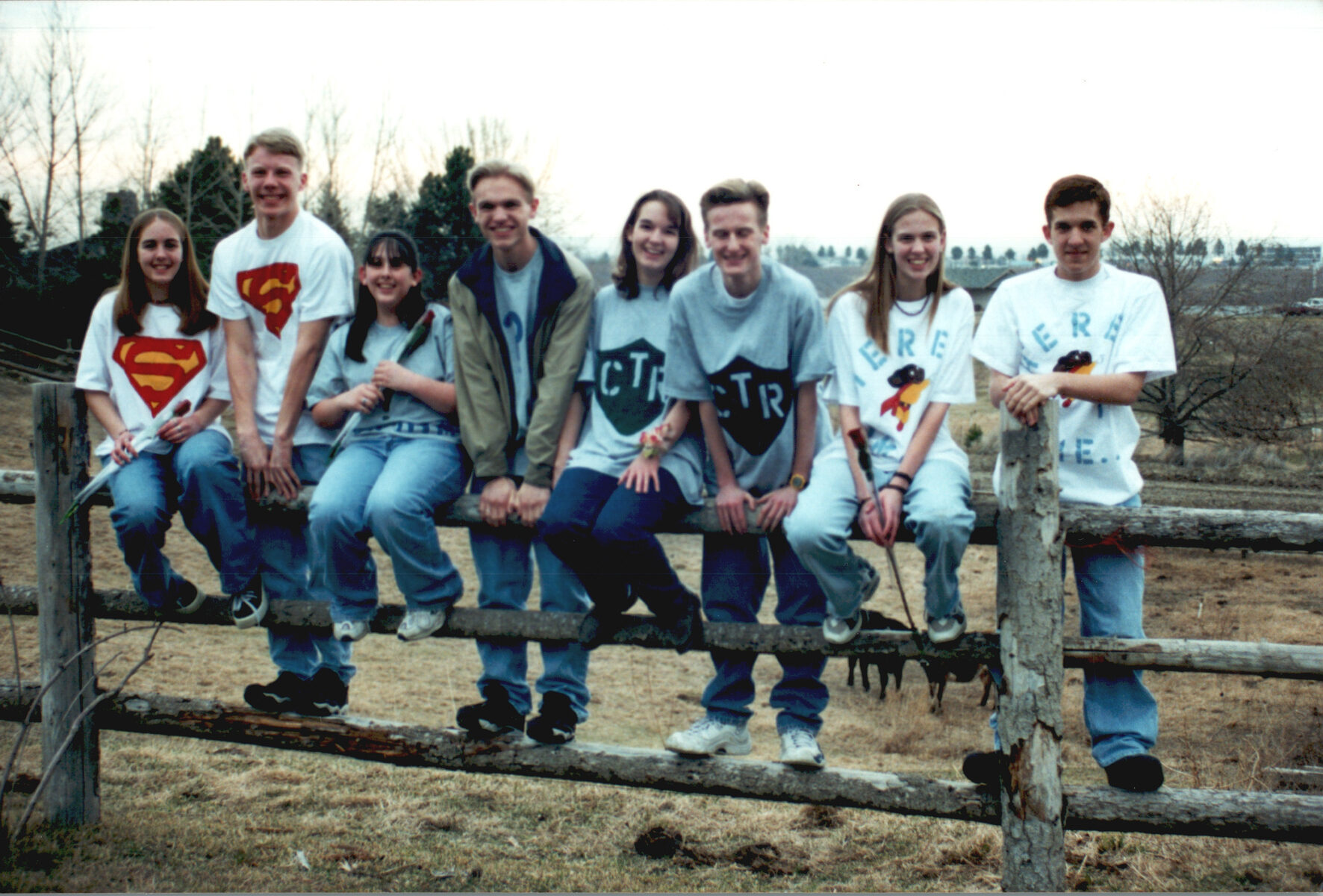
I spent a week scanning a suitcase full of photos from high school, and here I give every photo I found with Chris-Chud (as I’ve sometimes called him) in it. I also give selections from my journals which relate to my lifelong friend.
This followed directly after the week I spent in tears.
In my Utah life and particularly in my extended wrestle with (and difficulty being open about) doubts about Mormonism, I grew distant from a lot of my friends. I didn’t have enough trust that people could handle my lack of full belief. (Unfortunate in retrospect, but that’s where I was.) I regret not staying closer to Chud, yet was happy to see more of him in recent years, to be more real with him about things than I was growing up. The last time I saw him, maybe a month before his diagnosis, I went with him and his kids to the Museum of Flight in Seattle. We had a good time together, talking about Linux like the old days, just being nerds together, same as it always was. I’m not sure but perhaps he spoke some Klingon as he was wont to do. My eyes fill with tears as I write this. Chris “Chud” Lundgreen was sui generis—like no one else I’ve ever known, or ever will. He will be deeply missed.
I have felt for some time that it is somehow legendary for Chud to go by the name Chud. I’ve tended to call him Chris-Chud lately to highlight that. I’m not sure why it highlights that; it just feels like it does. I guess it feels like he was too much person to have just one first name.
But what even is a chud, anyhow?
Chris Lundgreen is the only person I’ve ever known to go by the name Chud. And yet, in 2025, I hear the word “chud” regularly, a seeming riff on “Chad“. But Chris’s “Chud” has a different origin, though in same ways similar to contemporary usage. That is a story for others to tell: the Lundgreen family are the proper experts on the topic, and his earlier friends who gave him the name, and Chud himself were he somehow, miraculously, to pull through. (As I write, he’s not doing well.)
My contribution then is simply to highlight that the Wikipedia article about certain Balto-Finnic peoples called Chud is a good read:
Folk etymology derives the word [chud] from Old East Slavic language (chuzhoi, ‘foreign’; or chudnoi ‘odd’; or chud ‘weird’), or alternatively from chudnyi, wonderful, miraculous, excellent, attractive….
In the mytho-poetical tradition of the Komi, the word chud can also designate Komi heroes and heathens; Old Believers; another people different from the Komi; or robbers—the latter two are the typical legends in Sámi folklore. In fact, the legends about Chuds (Čuđit) cover a large area in northern Europe from Scandinavia to the Urals, bounded by Lake Ladoga in the south, the northern and eastern districts of the Vologda province, and passing by the Kirov region, further into Komi-Permyak Okrug. It has from this area spread to Trans-Ural region through mediation of migrants from European North.
Chud has become a swear word in the Arkhangelsk region. As late as 1920, people of that region used legends of the Chuds to scare small naughty children.
These are selections from the first volume of my journals which mention Chris-Chud. Not what I would have hoped for but it brings the time and place of adolescence to life.
Today was my first day of high school. It’s not as much of an adjustment as I thought (so far) and it’s not nearly as scary as it seemed after the incoming freshmen orientation. I started out by going to zero-hour Jazz Band. We basically talked and then listened to “Turkish Bath” for about 10 minutes. Tomorrow we’ll play some music. In Cross-Training I am one of five boys in our class. The others are Brett, Randy, John, and Chris, from Colorado. Jessie, Heather, and a lot of other girls I know are in that class.
I have World Geog. with Colin, James, David Ostler, Kevin Anderson, Claire, Shannon Rhodes.
Michelle Gale, Brett Mower, Colin McDaniel, Colin Thorndyke, Alex, and I all have
English together.
Bro. Elms is my seminary teacher. Colin, Clayton, Spencer, Jeff Craig, Jason Barton, Greg Moody, and Ben Forsyth are in that class.
In Algebra, I’m with Ben, Chris Moore, and Megan Moody. Andy Beck, Chuck Allison and tons of people from band are in there, too. Also John Pratt.
This could work out to be a great year.
Today I found out that the Chris kid in PE is going to be in 11th ward. I didn’t even know he was a church member! This means all 5 guys in our class are members. [The cross-training guys were all Mormons!]
I’m trying to think of what interesting things happened today…. The person
named Chris in my PE class is Chris Lundgreen. I didn’t know his last name until
today. I’m not quite sure he’s found a niche yet at Kamiakin. At dances he hangs
around our group a lot but doesn’t do a lot of actual talking. Hmm….
… After band, I came home, cleaned my room a bit and did some work, and then I got a phone call. It was Chris Lundgreen wanting to carpool to the church dance….
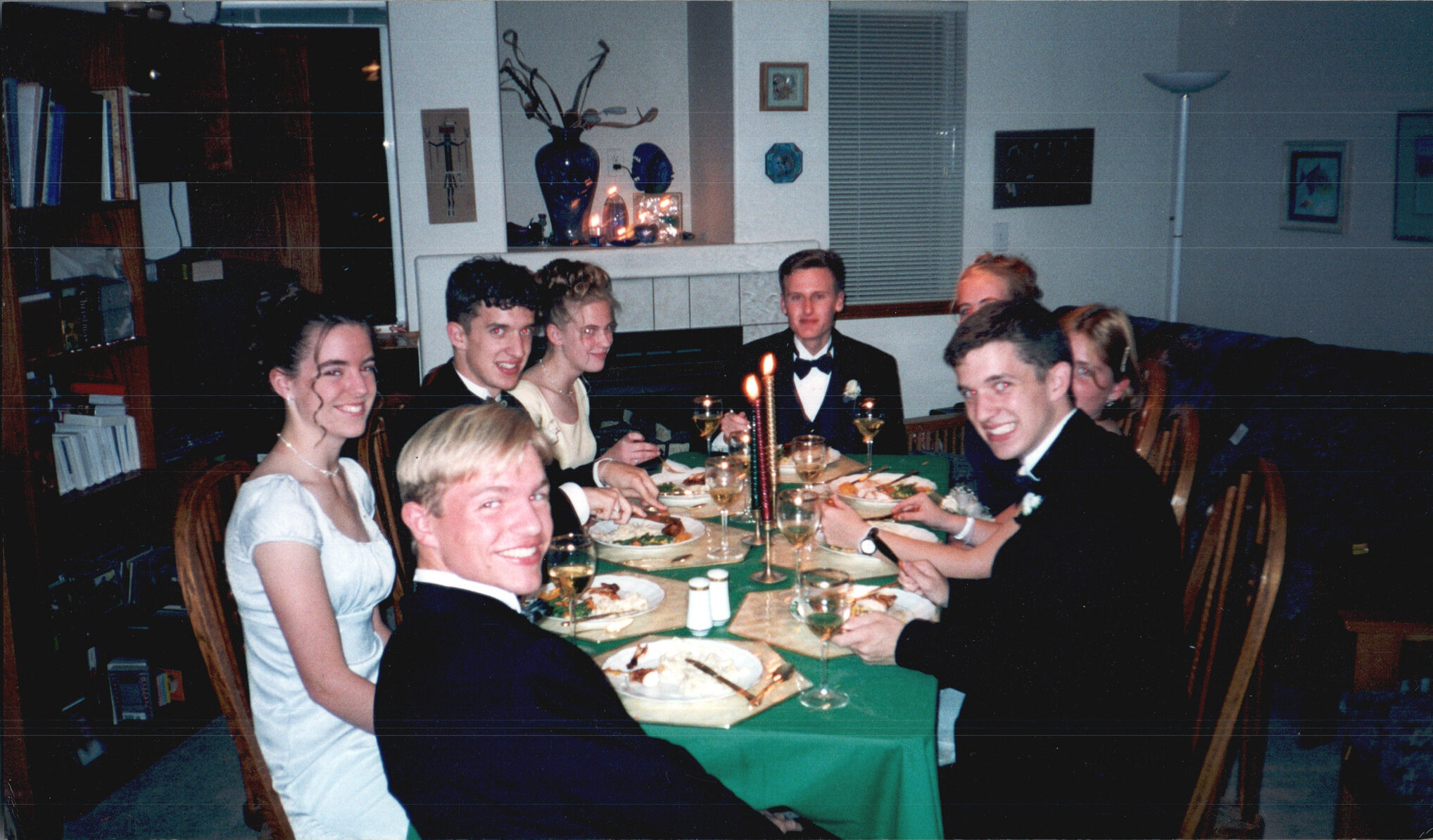
On Saturday I took Megan Moody on a date. Homecoming, to be specific. We were with Michelle, Tammy, Lies (Megan’s foreign exchange student), Ben, Brandon, and Chris Lundgreen. We played “Two Truths and a Lie” at the Wilson’s house, and then we went to Columbia Park and finger-painted portraits of our dates.
Then we got dressed, etc.
After forgetting the corsage at my house, I finally picked up Megan and Lies (with Brandon.) We took pictures at everyone’s houses, etc. and finally ate dinner at the Lundgreens’. Everyone looked pretty awesome!
We went to the dance, which was the most horrible, sleezy, immoral thing I’ve
ever seen. Just don’t ask…
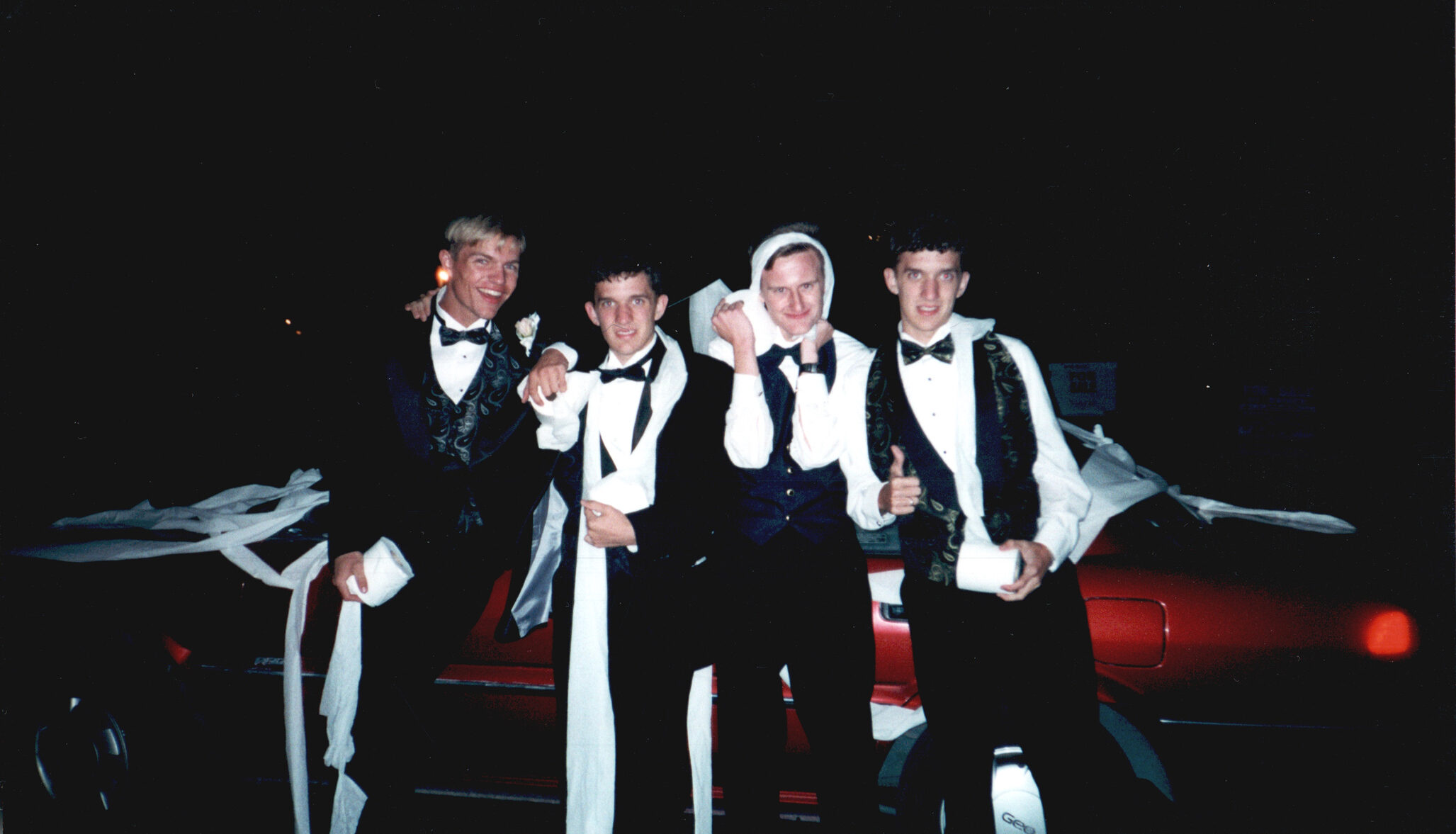
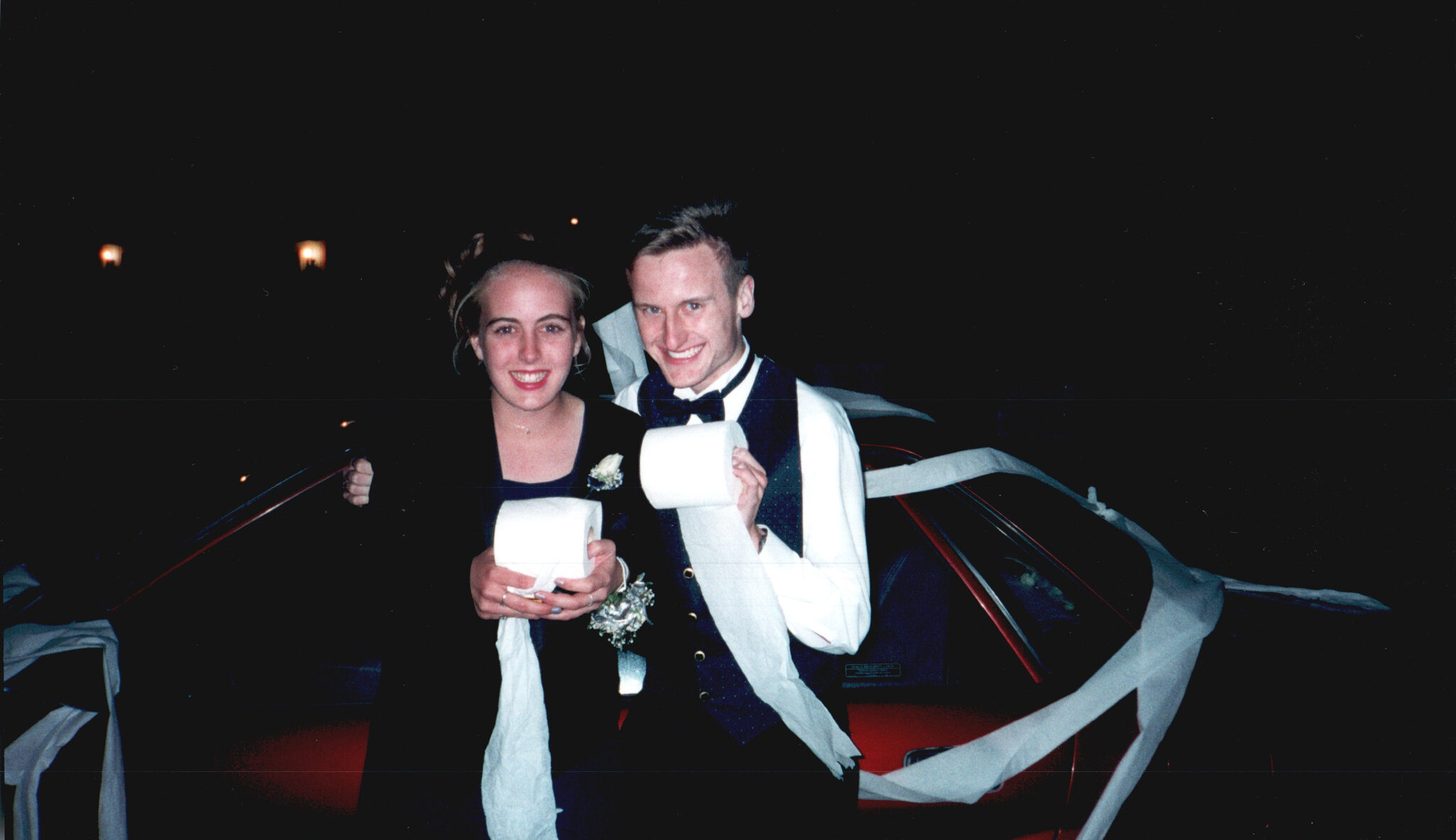
After that we attempted to T.P. Keith Walker’s house, with only partial success,
then we took the girls home….
Well, two weekends ago on Friday night at Chris’s house, John Wolfgramm broke my collarbone while we were beginning a wrestling match on the Lundgreens’ back lawn.
Shock, emergency room, x-rays, pain medication, a blessing by Dad and Brother
Lundgreen. It was quite a night.
I was equipped with a shoulder-immobilizing sling so that my fractured left clavacle [sic] can heal. Teresa brought me flowers (Daisies) and Chris and his fam visited. I was unable to work Baskin Robbins and have not yet returned….
… Another weird portion of my dream was that I drove by the Wolfgramms’ house and John and Chris Lundgreen were on the lawn being goofy (although neither of them is in the Tri-Cities right now).
In my heart I feel and know that the Gospel is true, the Book of Mormon is true.
My mind may see things differently, but I can feel the warmth of the love of God
strongly, and submit my intellect to trust my heart.
Also, Brother Rosewood mentioned that he had dinner with Chris Lundgreen’s
dad….
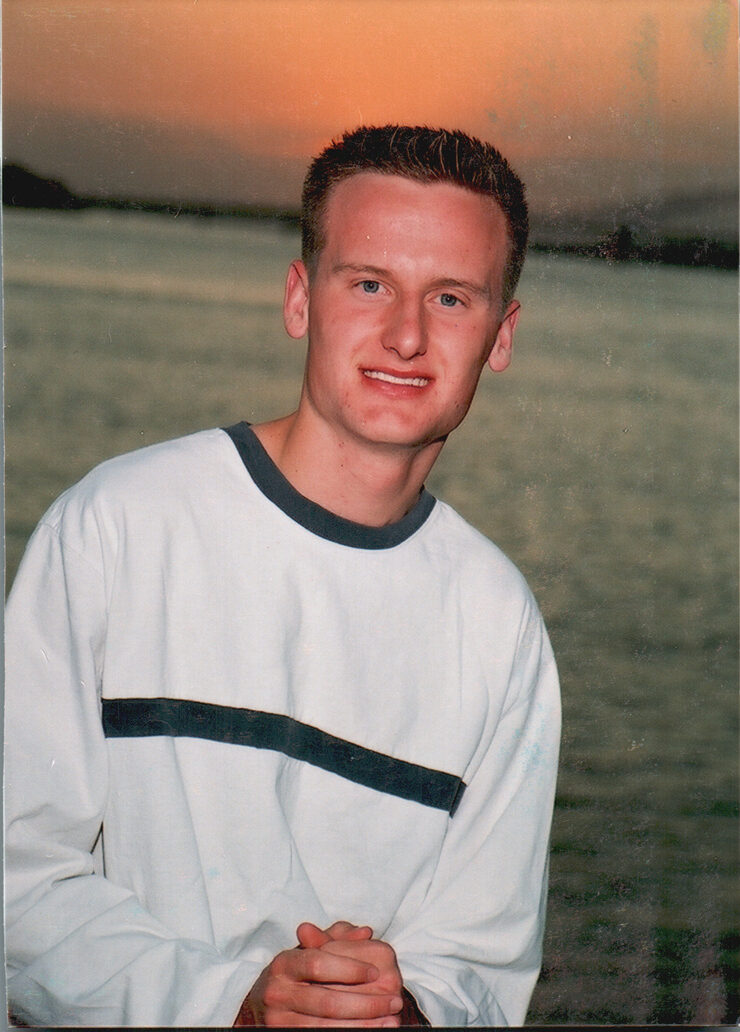
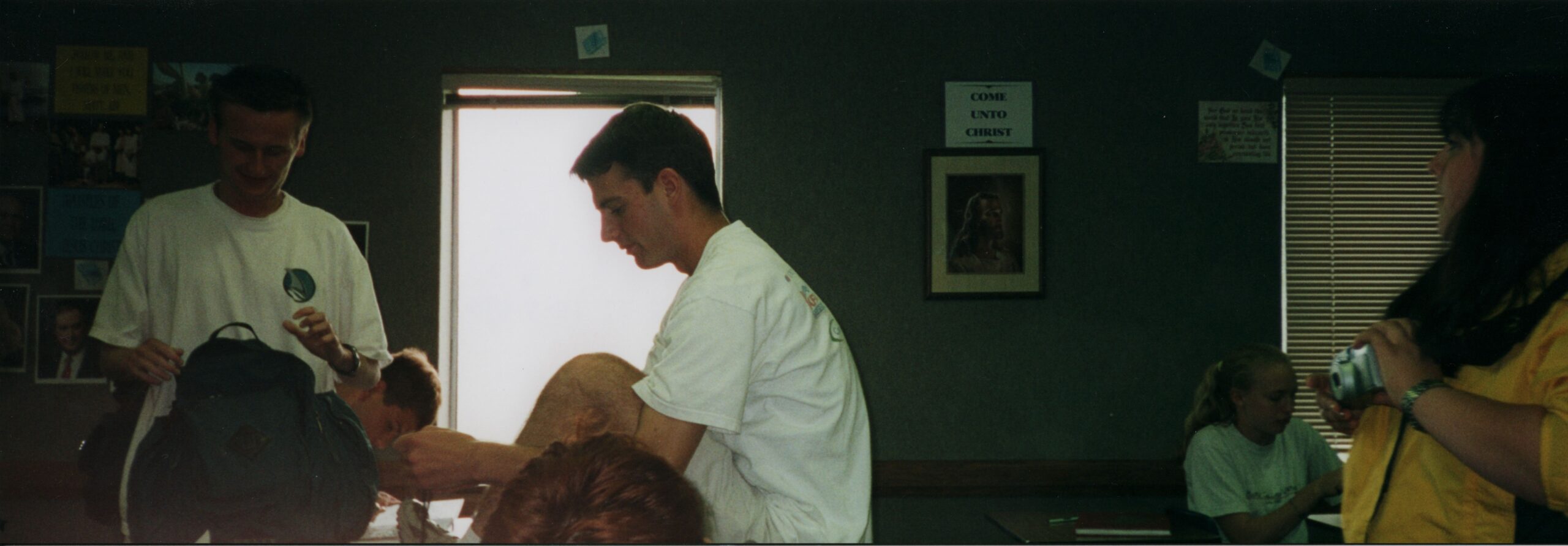
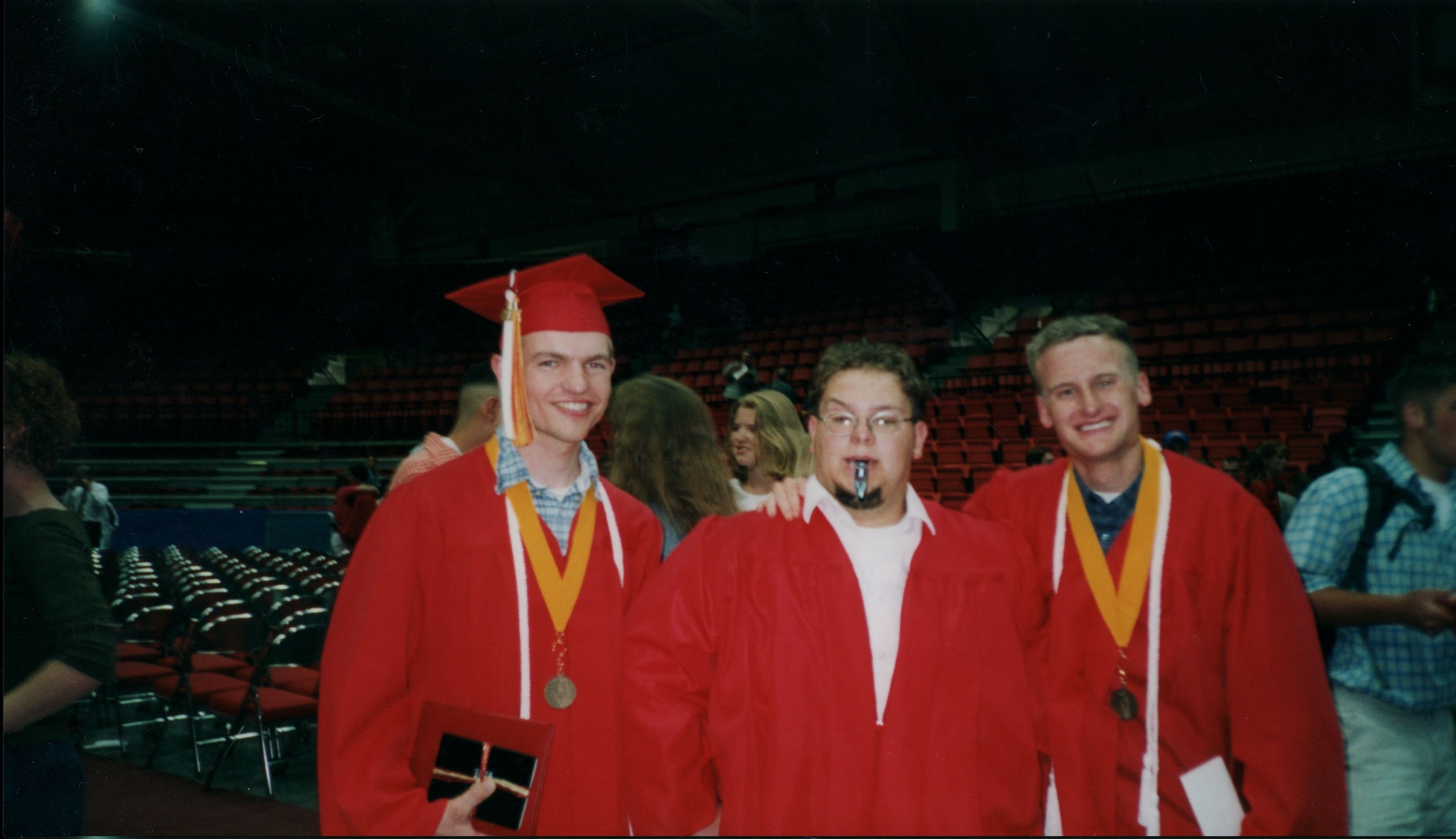
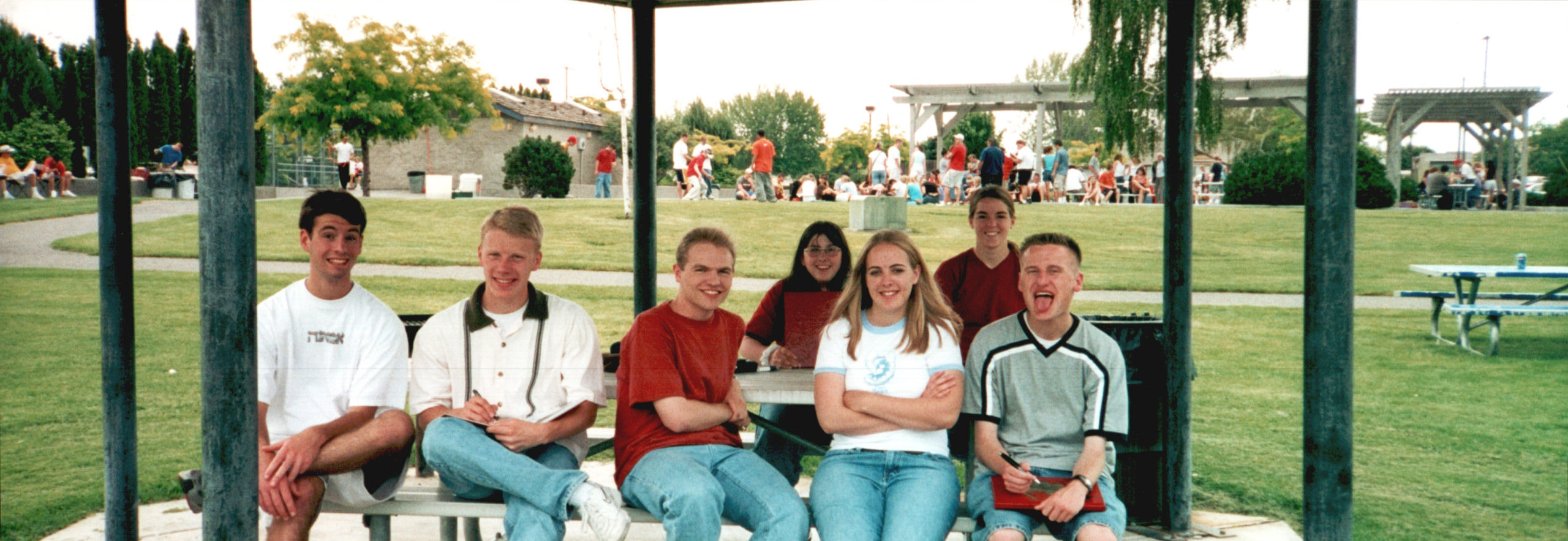
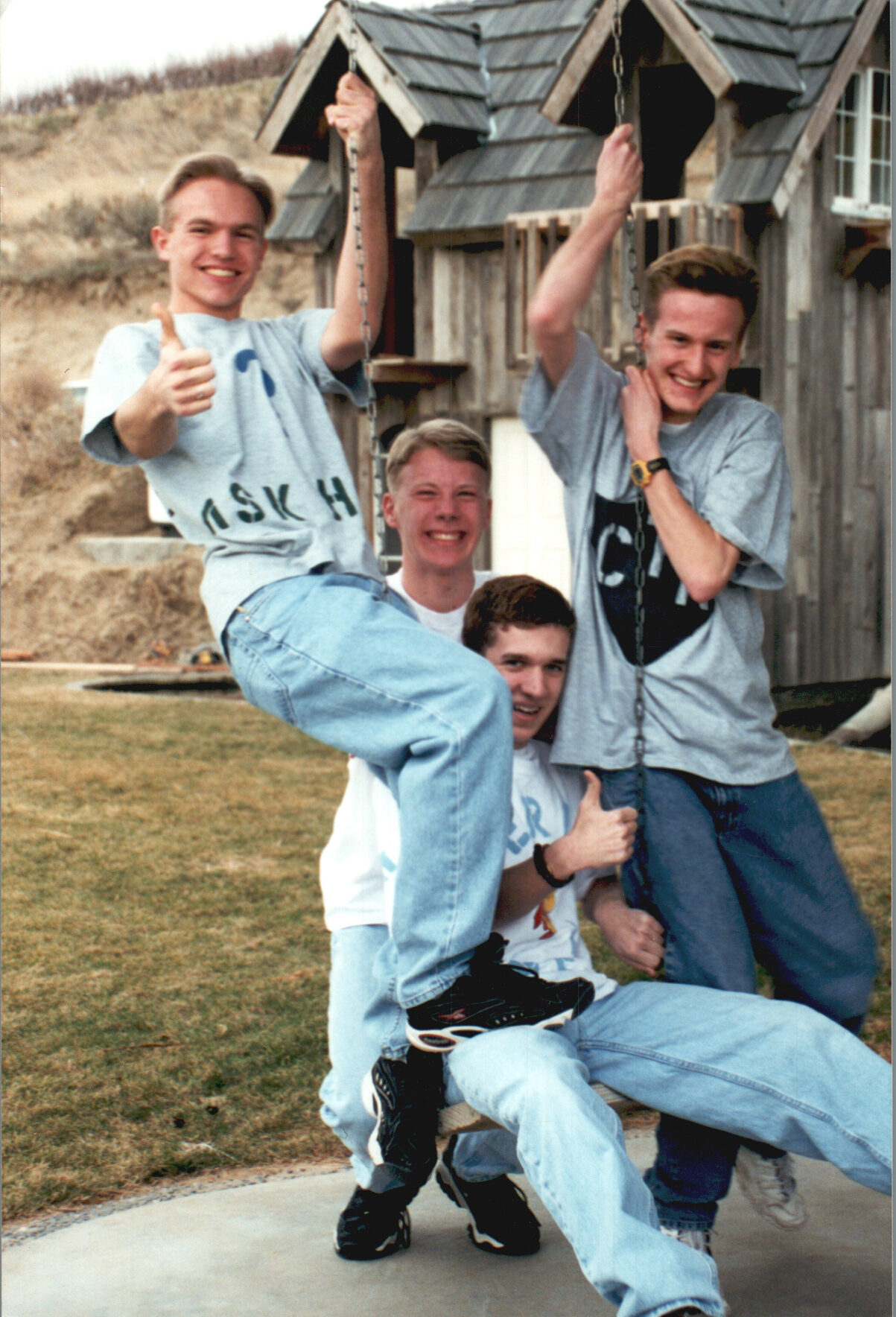
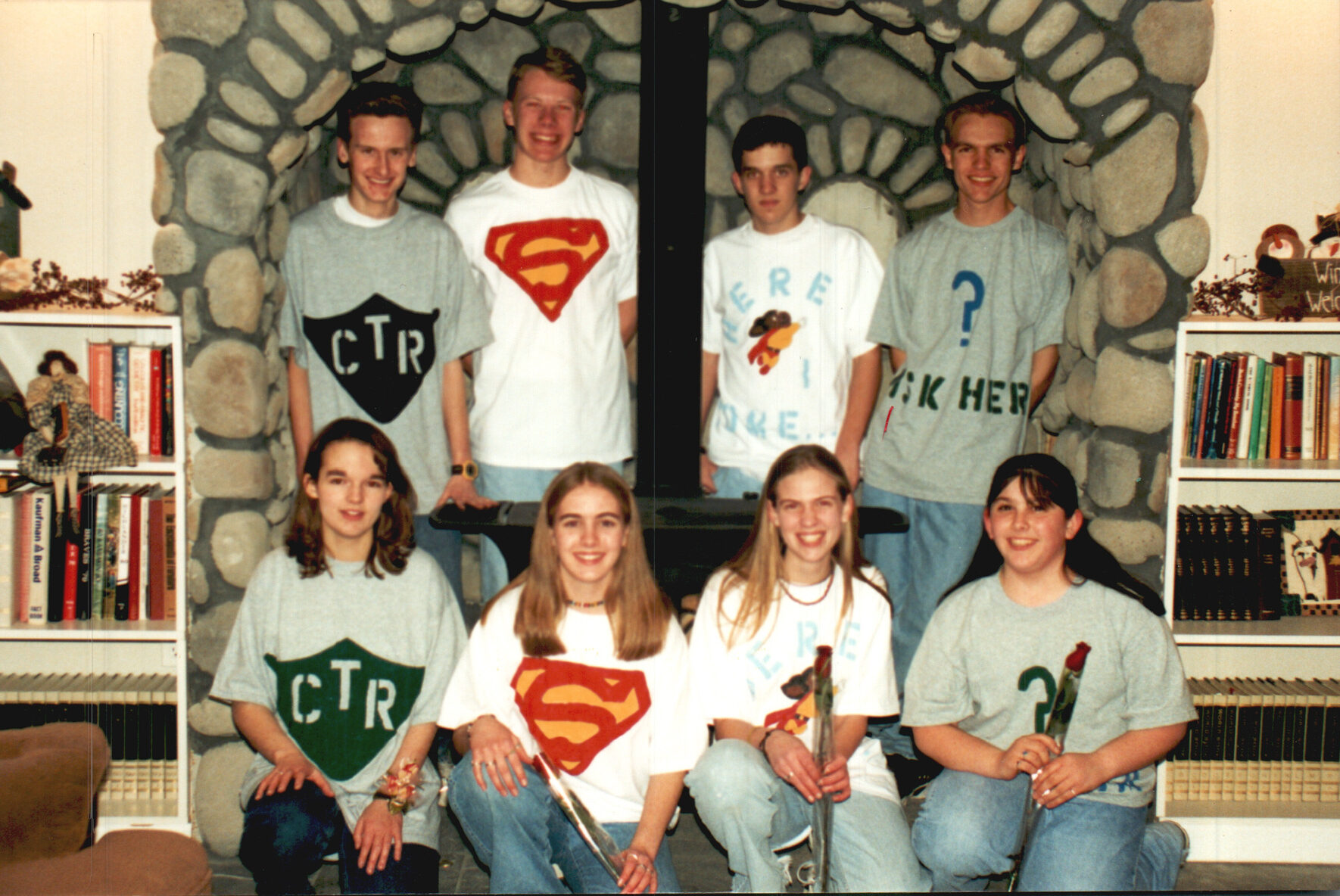
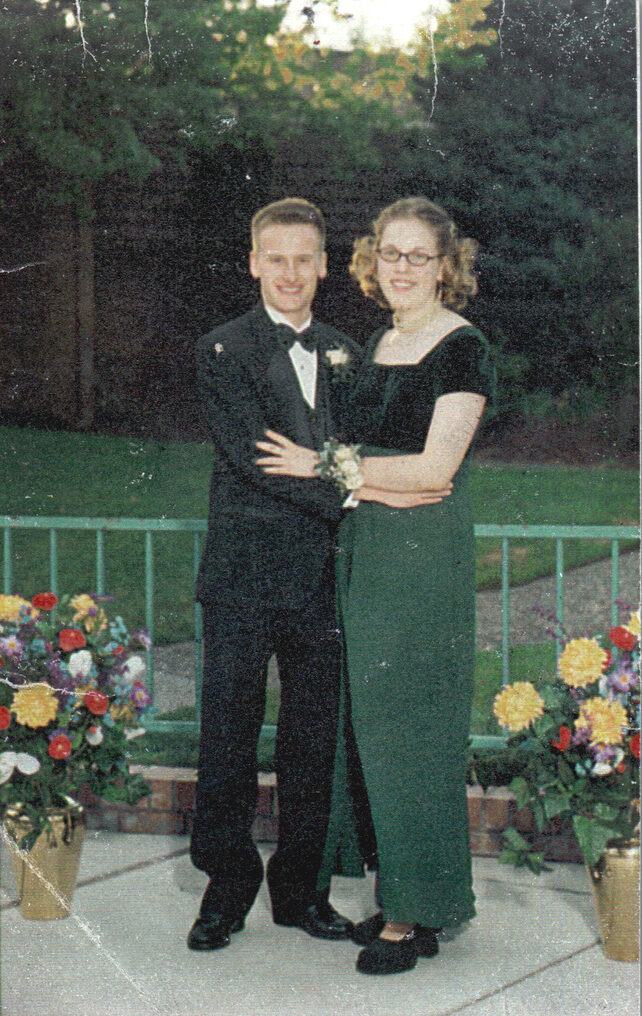
I scanned around 1300 photos that had been gathering dust in an old suitcase for about 20 years. They’re basically all from high school. These are the photos which the face detection algorithm determined portray Chudders. Apparently we went to a lot of formal dances, and little else! [Where is GoldenEye??] Some of these photos align with the journal entries. Chud Lundgreen, you’re uniquest of the unique—one who doesn’t apologize for being fully himself every minute; the only, and most wonderful, Chud we know.
A leader is judged not by the length of his reign but by the decisions he makes.
—Klingon proverb
Update: On the morning of June 25th, 2025, our friend passed away. He will be dearly missed.