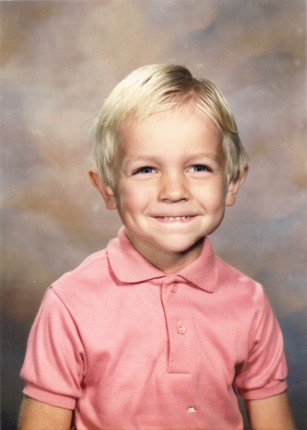
One of the last pictures of my mom and me together, just before I left for my mission.
As today marks the twelfth anniversary of her suicide, my mom is in my thoughts. After all these years I still struggle to make sense of her memory. I see it all from the child’s perspective I had when I knew her, and from that point of view she was a paradox: somebody immensely kind and yet overwhelmingly needy; someone I was supposed to turn to for stability, but who was in reality a source of great instability. In early years she was a “home base” to which we children could turn for safety; in later years, she was herself like a child, seeking help and safety from us. Throw on top of this conflicted legacy the fact that I see much of herself in me—the anxious temperament and extreme sensitivity especially—and you can imagine why twelve years on I still feel unresolved about my mother.
I’m going to publish two posts regarding Mom that will touch on her dual natures as needy and gentle, bitter and loving. The first is a poetic reflection on her death twelve years past, with copious additional thoughts that paint a picture of some of what made it painful to have her as a mother and to experience her taking leave of this world through suicide. The second is a transcription of thoughts written by her friend about the good, kind woman that Mom also was, as well as an additional tribute in my own words. Though these portraits are quite different, they are nonetheless both true and can’t be separated. She was both things. That’s both the tragedy and the beauty of the person who was my mother.
I was eight years old. It was a day that most kids would receive as joyously as a mountain of Christmas presents: the last day of school. Yet there I was, past my bedtime, curled up on the floor outside my parents’ bedroom door, sobbing, sobbing.
I was crying because second grade was over, and so was my access to my second grade teacher—the most stable, warm, and motherly person in my life.
I was crying because I felt so loved by my teacher, and because I knew in my heart that, though she surely strove her best, my own mother didn’t have the mental and emotional resources to make me feel so safe and loved.
Enter Klonopin
Fast forward to third grade. Another scene at home: this time, I’m sitting in the living room talking to Dad.
“How many times does your heart beat in a minute?” he asked me. We probably stopped and counted my pulse for a minute to find out. Maybe it was something like 58 beats per minute. “And how many minutes have you been alive? 60 minutes times 24 hours times 365 days times 8 years….” He did the math, maybe on paper, maybe on a calculator. “Your heart has beat 243,878,400 times in your lifetime already. What makes you think it’s going to stop now?”
I had been having trouble sleeping on account of anxiety. I would lie in bed at night fearful that my heart was going to suddenly stop. Dad was trying to talk me through it rationally. And somehow I found the calm reasoning and the authority of math comforting.
It was enough for that night. But as convincing as the probabilistic argument was, my anxiety remained.
Soon Mom took me to see a pediatrician (Doctor Zirkle) about it. At the doctor’s office, I sat on the edge of the exam bed, white paper crinkling beneath me, and answered questions about my fears. We left with a prescription for Klonopin, a benzodiazepine tranquilizer.
The time soon came for my first dose. One night I went to the kitchen with Dad. It was dark, lit only indirectly by the hallway light. From the medicine cabinet above the dish washer Dad brought down the bottle of Klonopin pills. He gave me a glass of water and a tablet, and told me to swallow the tablet whole.
Until that time my experience with taking medicine was essentially cough syrup and other liquids. I had never swallowed a pill whole before and felt like I’d choke on it if I tried. I was an anxious kid! I couldn’t do it. In my fear I dropped the pill, and Dad swore and left me to overcome my fear alone.
I picked the Klonopin tablet up from where it fell and there in the dark of the kitchen at the age of eight, I taught myself to swallow tranquilizer pills.
A tree’s extensive roots, absorbing whatever comes their way. Only metaphorically relevant to this post. Photo by Wing-Chi Poon. CC-BY-SA 2.5.
First Do No Harm
I kept taking Klonopin through third grade. Eventually I seemed to grow out of the need, and by fourth grade I don’t think I was taking the drug at all.
Why was I such an anxious kid? I think I was just sensitive to the instability around me. By fifth grade I was conscious of feeling that my parents and my family were “different”, that there was something wrong with what I experienced at home. If that’s when I became aware of it, then when did the dysfunction really start? Surely it must have been substantially earlier.
Significant anxiety returned to my life in ninth grade, and with it came Klonopin as well, first as illicit doses given to me by my mom, then as a prescription of my own. My anxiety at the time was overwhelming and it was reassuring to take a drug I knew was supposed to calm me down. But it seemed to make things worse in the long run—I continued to have debilitating panic attacks, which didn’t actually go away until getting off of the medication.
If I had a child in third grade experiencing anxiety today, I would absolutely not put them on medication—how could the long-term effects of psychoactive drugs on still-forming brains and personalities be anything but harmful? I would consider seriously whether there was anything in the home environment I provided them that might be cause for anxiety.
Kids are like plants and will grow or thrive in relation to the environment they are planted in. If that environment contains submerged conflict between adults, age-inappropriate roles for children, or anything else amiss, it will subtly warp the child’s development over time. I think that explains my childhood anxiety completely. I was simply internalizing the dysfunction I lived in.
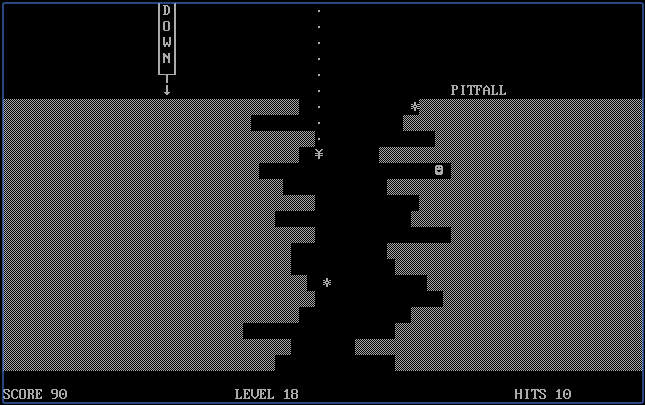
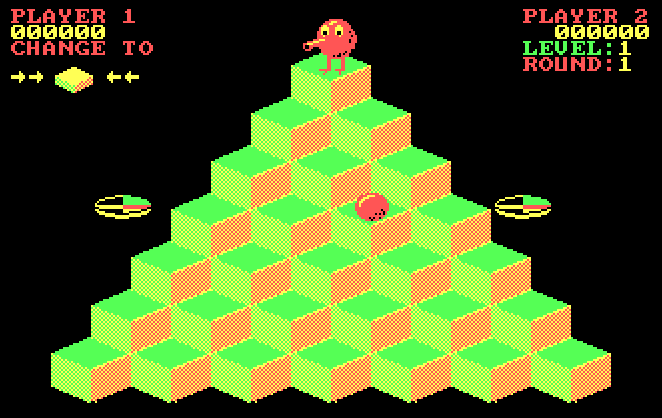
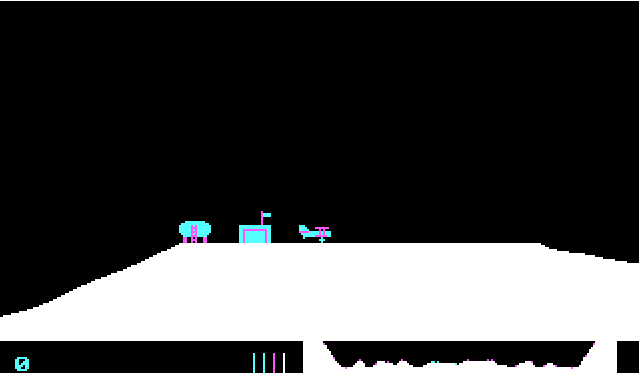
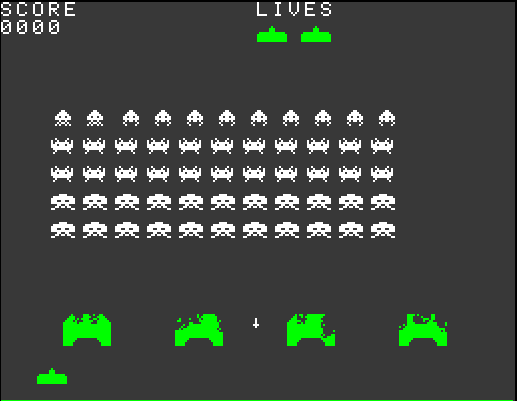
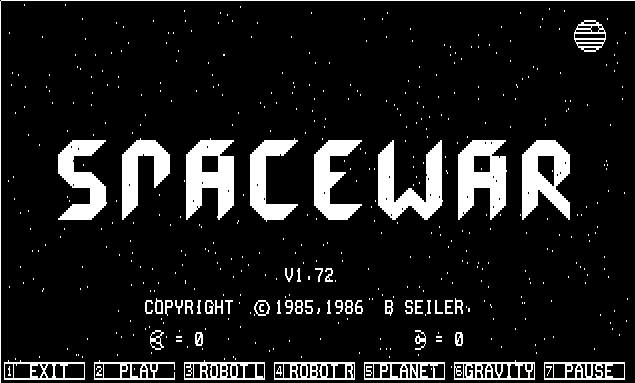
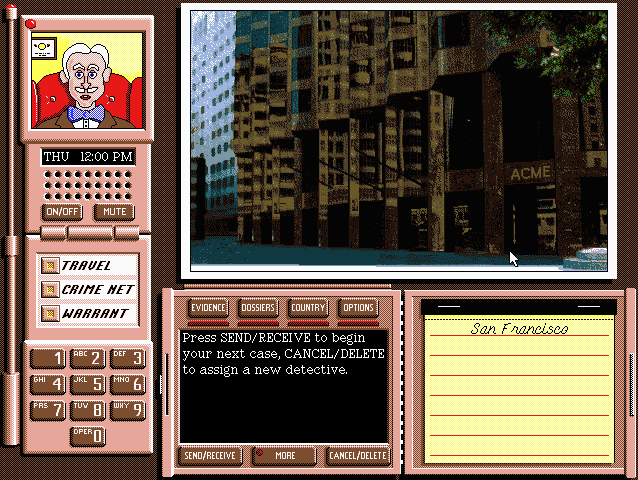
Once I learned about the Archive.org MS-DOS games collection on a recent episode of Mike’s Weekly Geek News Show, I knew what I had to do. I now present to you an idiosyncratic anthology of DOS games from my youth, mostly played on our trusty Tandy 1000 and Wyse computers. For each game, click on the image and you will be taken to an Archive.org page where the game can be played within your browser.
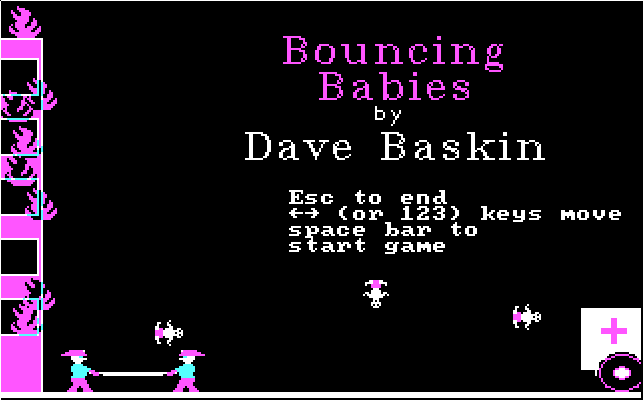
Bouncing Babies
Let’s begin where we ought to, with Bouncing Babies. A hospital is on fire and you must save babies being thrown out the windows. Such an outrageous premise for a game.
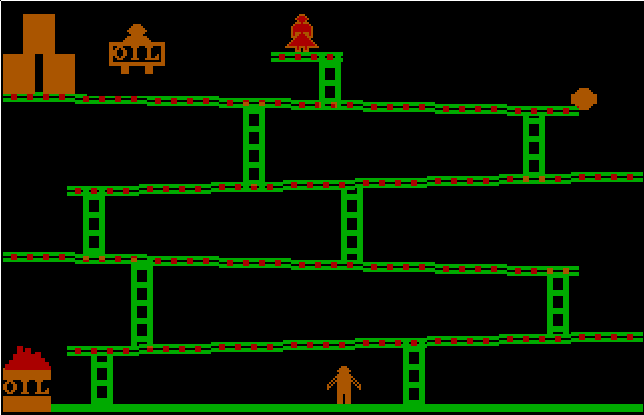
David’s Kong
Being already familiar with Donkey Kong, I was deeply disappointed with this game. But it was named after my brother, which was cool.
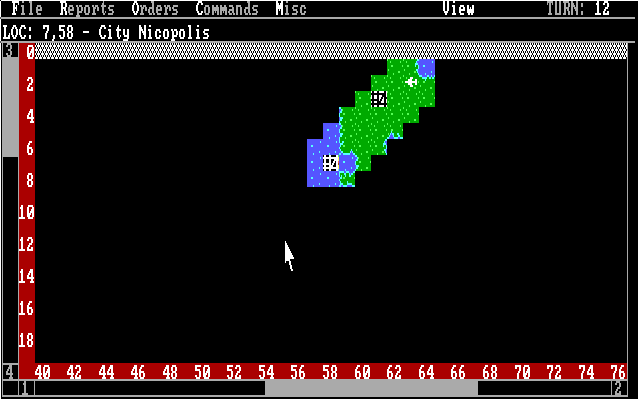
Empire: Wargame of the Century
Many hours of my childhood were dedicated to world conquest in the form of “Empire”. The requisite manual can be downloaded here.
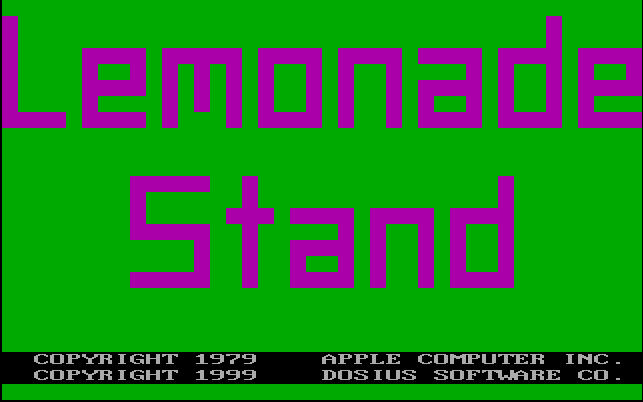
I actually only ever played this at school, and perhaps not even in DOS, but I remember loving it so I include it here. You start with $2 and a supply of sugar, and you try to run a lemonade stand at a profit. Each day you get a weather forecast and must make inventory and marketing decisions on that basis. A basic lesson in microeconomics.
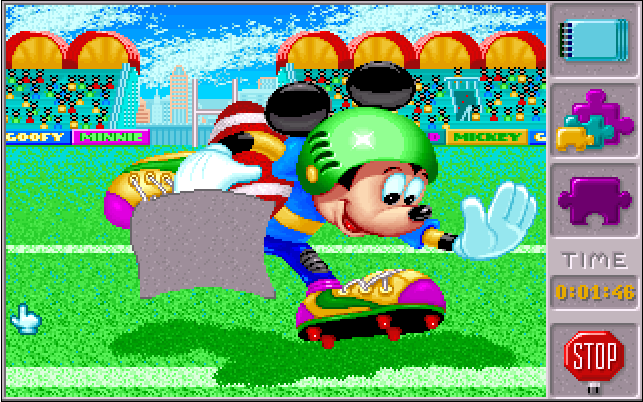
Mickey’s Jigsaw Puzzles
Playing this again brought back strangely poignant feelings for some reason. Based on how familiar the little animations were to me, I must have spent many hours playing this, though now it’s hard to understand why.
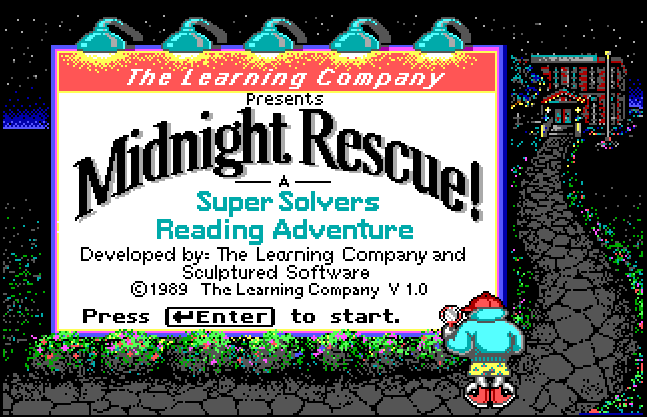
Midnight Rescue
Learn to read while battling evil robots!
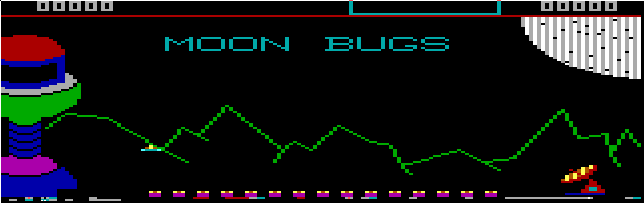
Moon Bugs
Defend a moon base against the titular moon bugs. Weird, weird game, but one I spent a lot of time on.
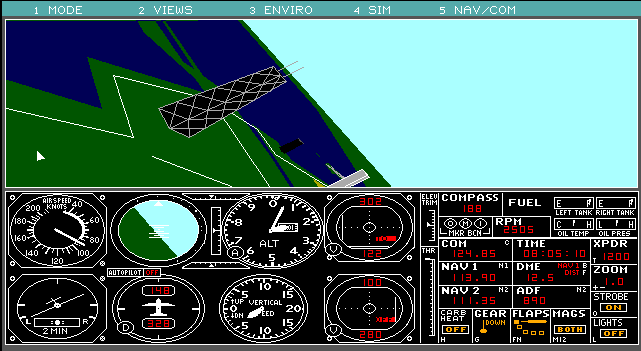
Microsoft Flight Simulator
Crashing into the Chicago skyline was never more fun. Which is good, because that’s how it always ended.