Category: politics

  • Harris and class

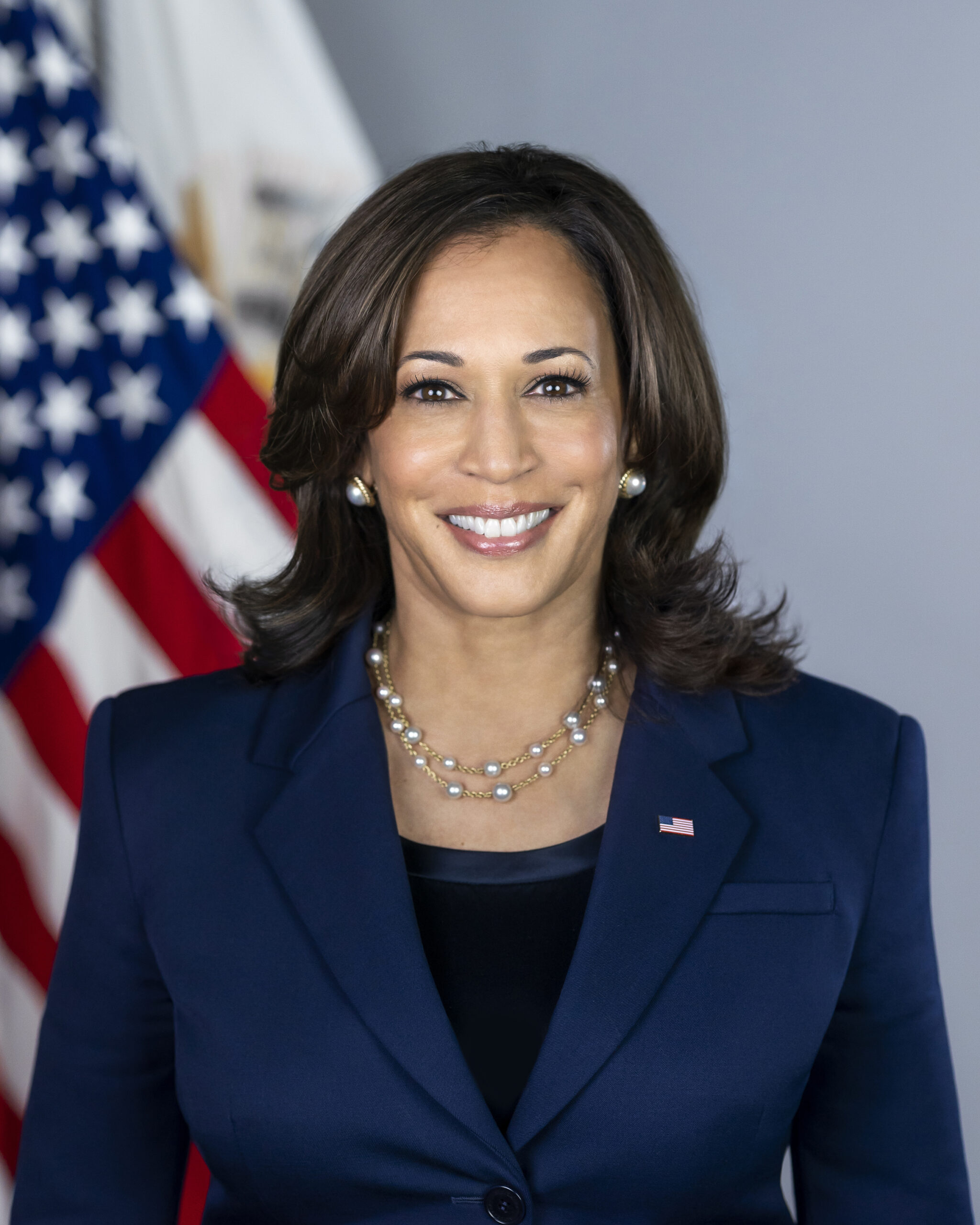
    First I’ll mention race: Harris’s ancestry is so mixed that in a sense it’s an error to assign her to any one of the traditional (and arbitrary) racial categories. She truly is a product of globalization of the gene pool, and is a taste of the inevitable future when Americans broadly have ancestors from all over the world.

    So, in racial terms, I like her as a symbol of a world where race is viewed as the obsolete and arbitrary concept that it is. Which, ironically, isn’t how President Biden or Vice President Harris have talked about her race, but… culture has yet to catch up to the reality of modern American mating practices.

    Anyway, class, though, is what’s going to hurt Harris. While in some ways her work as prosecutor can be viewed as pro-working-class (whose neighborhoods the criminals she put away would have affected most), her vibe is very much not working class. Her parents both are and were highly educated, PhD researchers.

    Given that the rust belt was the kingmaker of 2016 and 2020, we might expect it to be the same this time. Joe Biden of Scranton, PA was the only part of the ticket connecting with the working-class world most affected by the outsourcing of industry under NAFTA and (later) WTO.

    So the choice of VP is key. But so are the policies. I’d like to see her propose a new, systematic approach to the burgeoning trade protectionism that both Trump and Biden have furthered. Which industries deserve protection, and which don’t? Where do we want to keep the dynamism and (more often) low cost imports of global competition, and where is it more important to preserve domestic capabilities, whether for reasons of national security, hindering of adversaries, rewarding of friends, or national pride?

    Speaking of WTO… it’s a moribund organization – an old model where we hoped that free trade would lead to reform which… nobody believes anymore. It’s nerdy stuff, but a lot of Trump supporters would care if she proposed a successor to WTO – something that reflects the new reality.

    Getting ahead of Trump on the trade issue, putting a fresh, Dem stamp on it, would go a long ways. Aiming for “Damn… she sounds like she means this.”

    Just some thoughts.

  • Proposed Amendment: No Absolute Immunity; Admissibility of Evidence

    I’m concerned about the implications of the recent Trump v. United States decision, as well as the earlier Nixon v. Fitzgerald. See Wikipedia for an overview.

    It’s my view that “absolute immunity” is a concept that has no place in a republic. Given that, I thought I’d try my hand at a possible “fix” and put it up for discussion. What would be the pros and cons of this approach?

    Amendment __

    Section 1. Officers and elected officials of the United States have no absolute immunity from prosecution.

    Section 2. The communications of officers and elected officials of the United States shall be presumed admissible as evidence in court.

  • Bumbershoot internship/mentorship program appears racially discriminatory

    Bumbershoot internship/mentorship program appears racially discriminatory

    36th legislative district representative Julia Reed’s recent newsletter contains this section:

    OPPORTUNITIES AT BUMBERSHOOT

    The Bumbershoot Festival is a highlight for the 36th district. It provides opportunities for local artists to showcase their work to wide audience and gives us the opportunity to see our favorite artists in our backyard.

    But the festival is also an opportunity to invest in the next generation of creative professionals. That’s why I secured $150k to provide a fully-paid, tuition-free training program with internships and mentorship for students looking to enter the creative economy. This ‘festival as a classroom’ program prioritizes BIPOC students in the Puget Sound region and removes barriers to creative industry futures.” [Emphasis is mine throughout; quotes have been reformatted for consistency.]

    Of course, prioritizing BIPOC is the same as penalizing non-BIPOC, so this wording is very concerning.

    The Bumbershoot website’s description of the “festival as a classroom” uses less blatant language:

    This is a tuition-free program designed to remove barriers of entry for underserved communities while supporting the next generation of industry professionals. We are simultaneously laying the groundwork for a more equitable and inclusive arts and music scene.

    Representative Reed’s website uses neutral, non-race-based language in an earlier announcement:

    OPENING DOORS AT BUMBERSHOOT

    Celebrating Seattle’s rich musical and artistic history makes for an amazing way to provide opportunities for our students. That’s why I was excited to see the annual Bumbershoot festival return to our district, with a renewed focus on local flavor and opportunities for local creatives to show their work and to expand their audience. It also provides space for our students to get real world experience in the creative economy thanks to the $150,000 included in this year’s budget.  

    The Bumbershoot Workforce internship program provides young people interested in creative careers with paid training in festival production and technical arts. I’m glad to be able to support Bumbershoot and the next generation of creative professionals in Washington State.

    The inconsistent manner in which the program is described makes it difficult to tell just how open the opened “doors” are, and just how many “barriers” were removed, and for whom. But it would seem that Rep. Reed at least perceived that the funds allotted to Bumbershoot for the internship/mentorship program would be given preferentially to non-white applicants, and felt that it was something to brag about in her newsletter.

    Building racially discriminatory structures into our government and the programs it funds is toxic to the functioning of a liberal democracy, and should be avoided and opposed in every form. Frankly, we’ve been there, and done that, going in every possible direction, and it has only thrown fuel on the fires of racial resentments.

    This program appears well-meaning, but seems intended to distribute its $150,000 based on race rather than relevant attributes like familial income, parents’ education, and so on. Why not target based on what we actually care about as a society, which is helping those in need? Race is a blunt instrument for achieving that goal, and very likely illegal given the recent Supreme Court decision on affirmative action in college admissions.